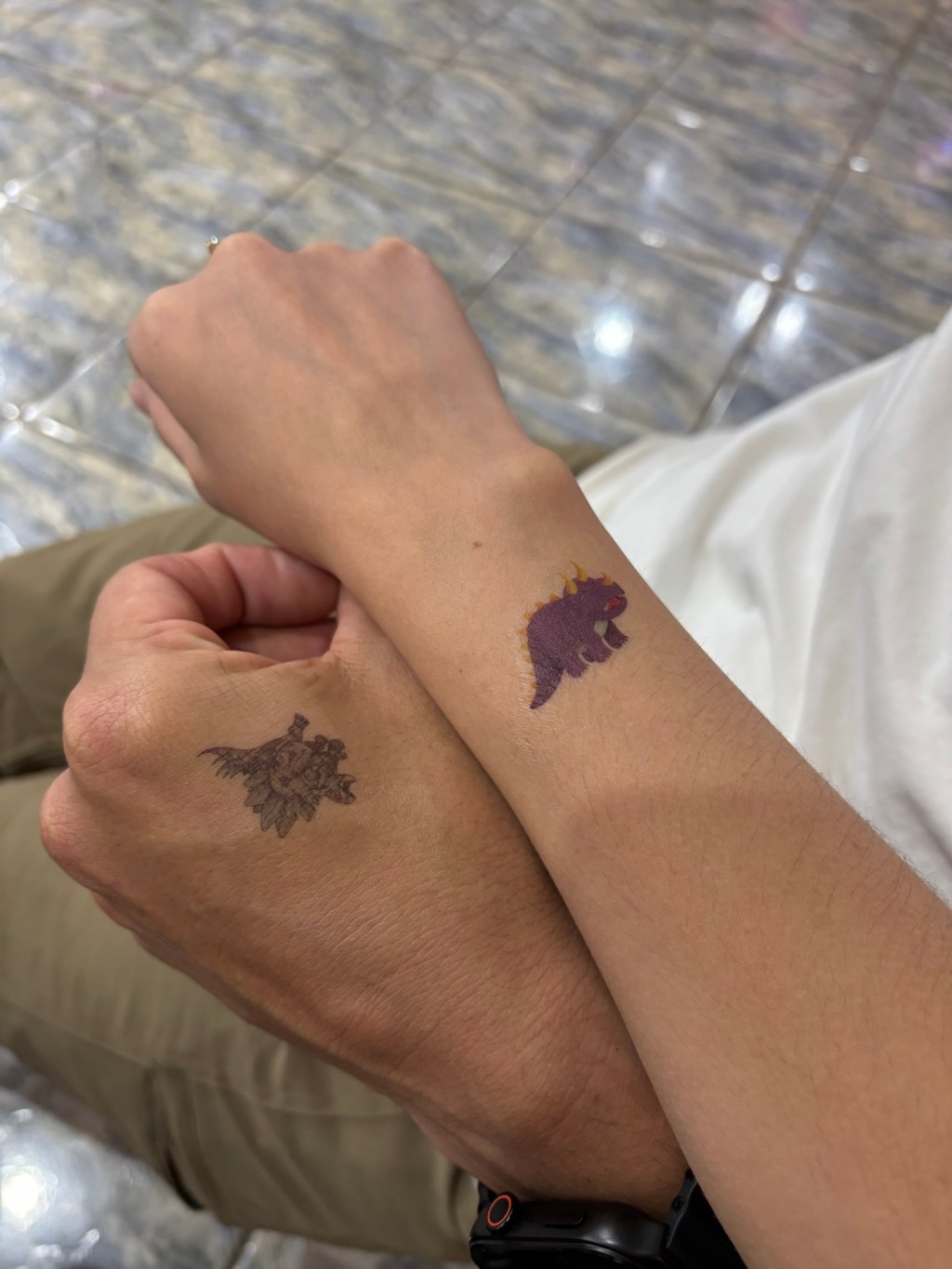
I was born in ’97, so I had the privilege of experiencing a childhood without cell phones and a teenage life with very limited social media, something we only used on the computer. Back then, you could just turn off the computer, and that was it, no more access to the digital world.
At the time, leaving home to visit, say, my uncles’ farm wasn’t very appealing, because it meant being away from MSN (for the younger ones, it was basically a chat-only social network, kind of like WhatsApp).
I caught the very beginning of social media apps, but I was already at the end of my teenage years, around 16. So my mind was a bit more mature by then. I got to enjoy a teenage phase without so much exposure and without the pressure to be connected all the time.
Also, I never came from a rich family, so even though I had a phone, I didn’t have a data plan, and I couldn’t always afford credit. I would only add the bare minimum just to keep my number active. In other words, I was only connected when I had Wi-Fi, and outside the house, that wasn’t common at all. Today, there’s Wi-Fi everywhere: stores, restaurants, you name it. But in the early days, it wasn’t like that.
And that gave me certain privileges. I wasn’t connected when I was out. Going to school or hanging out with friends meant actually being present. No notification distractions, no friends taking embarrassing pictures of you and posting them on their stories. And most importantly: no “coach culture” shaping my thoughts. Being a teenager is already complicated and sensitive on its own. Now imagine dealing with all those coaching voices, high-productivity mantras, and “you can do anything” messages. If, as an adult, I already find this flood of shallow advice and overpriced courses harmful, imagine being exposed to that with a teenage mind. Thank you, ’90s, you saved me.
That’s why I feel so privileged to have been born in 1997, to have experienced a childhood with natural screen limits. Cartoons only aired on TV in the morning, for a few hours. Everything had less color, less stimulation, nothing that triggered anxiety. And I only started watching them when I was around four years old. And when the cartoons ended, that was it. There was nothing else to watch. There was no YouTube to open and look for another video. What peace, my friends. What peace.
I lived something that parents today try so hard to recreate: early years without screens. And I lived that not because my parents had some strategy, but simply because that was what was normal, what was possible. Sometimes I imagine the mental peace my parents must have had, not having to fight for a screen-free childhood, because a screen-filled childhood simply wasn’t a reality.
As a teenager, I had access to a computer and the internet, but social media was basically just MSN and Orkut, and I only used MSN. I didn’t really like Orkut and deleted my account shortly after creating it. So I mostly talked to people I already knew in real life, or a few friends of my cousin. It was all very calm, healthy, and monitored. My parents kept an eye on how long I was online and who I was talking to.
When Facebook, WhatsApp, Instagram, and apps in general arrived, I was already older, around 16. My mind was a bit more mature, and I got to experience the early days of these platforms, when things still felt “pure” and healthy. No companies were advertising everywhere, no influencers.
I remember the early days of Instagram, the big deal was posting a photo in real time. It felt like, wow, this is amazing. The vibe was kind of Tumblr-like, with photos that were more conceptual or just random. There were no stories, no videos, no influencers, and no pressure to maintain a constant online presence. You would post once in a while, and your feed wasn’t endless. You’d only see posts from people you followed. So eventually you’d see everything, and it would basically be like, “you’re all caught up, come back tomorrow.” What peace, my friends. What peace.
These were things that were just normal and good for us, without us even realizing it. Things we now struggle to get back. We fight to control our use of social media. We fight to stay away from screens. We fight to truly be present wherever we are without being pulled away by notifications or even just the habit of picking up our phones. That constant fear of missing out.
Looking at human history, we tend toward extremes. You see it in art, literature, fashion. We swing from one end to the other. For example, in the 19th century, Realism aimed to portray life as accurately as possible. But in the following century, Modernism emerged, with works far removed from reality, like Picasso’s. You see it in fashion too: from skin-tight pants to super baggy ones (which, by the way, I love).
So what am I getting at? We’ve used social media to the extreme, and now our minds are craving less. We went all in on screens and stimulation, and now a new movement is rising: going offline. Even influencers are encouraging people to be more present in real life and to limit their time on social media. It used to be trendy to be a blogger or influencer, but soon, the trend will be a life with less exposure. We always swing from one extreme to the other. History proves it.
Well… may peace prevail, my friends. May our digital lives be just a small fraction of a life fully lived in the real world. May the real world, the one with smells, textures, and tangible experiences, become more and more appealing. If my generation already feels the impact of the digital world, imagine the younger ones. We need to return to what truly matters: real life—raw, imperfect, and beautifully human.
1997… what a year. What peace.


 Vanessa Campos
Leave a comment